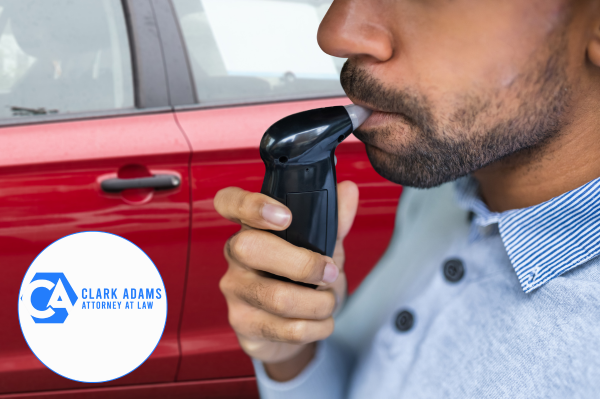
A roadside DUI investigation can involve much more than a breath or blood test. Officers frequently use field sobriety tests in Georgia DUI cases to look for signs they believe may indicate impairment. However, a driver’s performance on these tests can be affected by several factors that have little or nothing to do with alcohol. For someone facing a DUI charge in Columbus, understanding how these tests were administered and interpreted can be an important part of reviewing the evidence.
What Are Standardized Field Sobriety Tests?
The National Highway Traffic Safety Administration, commonly known as NHTSA, recognizes three Standardized Field Sobriety Tests:
- Horizontal Gaze Nystagmus
- Walk-and-Turn
- One-Leg Stand
These tests are designed to help officers observe specific indicators, or “clues,” that may be associated with alcohol impairment. NHTSA developed standardized procedures for giving the tests and evaluating a person’s performance.
The word “standardized” is important. The reliability associated with these tests is based on their being administered and evaluated according to established procedures. A DUI investigation should therefore consider not only how the driver performed, but also how the officer conducted the testing.
How Does the Horizontal Gaze Nystagmus Test Work?
During the Horizontal Gaze Nystagmus, or HGN, test, an officer asks the driver to follow an object, such as a pen or small light, with their eyes while keeping their head still.
The officer looks for certain involuntary movements of the eyes that NHTSA identifies as potential clues associated with alcohol impairment.
Because the HGN test involves specific positioning, timing, movement, and observation requirements, the manner in which the officer performs the test matters. Reviewing a DUI case may involve examining whether the officer gave appropriate instructions, positioned the stimulus correctly, followed the required sequence, and accurately recorded what was observed.
HGN results should also be considered together with the other evidence surrounding the traffic stop rather than in isolation.
What Can Affect the Walk-and-Turn Test?
The Walk-and-Turn is a divided-attention test. A driver is typically instructed to place one foot directly in front of the other, walk nine heel-to-toe steps along a line, turn as instructed, and return in the same manner. Similar testing may also occur during a Georgia DUI checkpoint when an officer develops grounds for further investigation.
The officer watches for specific behaviors during both the instruction and walking portions of the test.
However, performing this exercise on the side of a road is different from performing it in a controlled setting.
NHTSA training materials state that the test should generally be conducted on a reasonably dry, hard, level, and non-slippery surface. They also instruct officers to consider circumstances such as physical ailments, injuries, location, age, and unusual footwear.
Potential issues that may affect performance include:
- Back, leg, or balance problems
- Uneven or slippery pavement
- Certain footwear
- Difficulty hearing or understanding instructions
- Physical injuries or limitations
- The manner in which the officer demonstrated or explained the test
A misstep during a Walk-and-Turn test does not automatically establish that a person was impaired. The surrounding circumstances matter.
Why Can the One-Leg Stand Be Difficult?
During the One-Leg Stand, the driver is generally instructed to raise one foot several inches from the ground while keeping both legs straight, looking at the elevated foot, and counting aloud until told to stop.
The officer watches for specific clues, such as putting the foot down, using the arms for balance, swaying, or hopping.
Like the Walk-and-Turn, this test places physical demands on the person being evaluated. Balance problems, leg or back conditions, injuries, age, and the testing environment may affect a driver’s ability to perform the exercise.
That is why the circumstances surrounding the test should be documented and evaluated rather than simply assuming every difficulty observed by an officer resulted from alcohol.
Can an Officer Administer a Field Sobriety Test Incorrectly?
The way standardized field sobriety tests are conducted can become an important issue in a DUI case.
Standardization exists so officers administer the tests using established instructions and procedures. Deviations do not necessarily mean that every observation becomes unusable, but they may affect how the results should be interpreted and what weight should be given to them.
A detailed review may consider questions such as:
- Were the instructions given correctly?
- Did the officer properly demonstrate the test?
- Was the driver given an opportunity to ask questions?
- Was the testing location reasonably suitable?
- Did the officer ask about injuries or physical limitations?
- Were the appropriate clues recorded?
- Does video footage match the officer’s written report?
- Did the officer administer the tests consistently with standardized training?
Dash-camera and body-camera footage can be especially useful because it may provide an objective record of the roadside investigation.
Field Sobriety Tests Are Only Part of a DUI Investigation
Field sobriety tests are generally one component of a broader DUI investigation.
An officer may also rely on observations made before and during the traffic stop, including driving behavior, speech, coordination, statements made by the driver, the odor of alcohol, and other circumstances. A roadside portable breath test may also be used during an investigation.
It is important to distinguish roadside screening from Georgia’s state-administered chemical testing procedures. The Georgia Bureau of Investigation explains that approved portable breath testing devices are intended as roadside alcohol screening tools and are not evidential breath tests used to establish a person’s specific alcohol concentration.
After a DUI arrest, separate issues may involve a state-administered breath, blood, or urine test and Georgia’s implied consent procedures.
For that reason, a DUI case should generally be evaluated as a complete sequence of events rather than focusing exclusively on one test or observation.
What Does a DUI Attorney Review About Field Sobriety Testing?
A careful DUI defense review can examine the roadside investigation from the beginning rather than accepting the field sobriety test results at face value.
That review may include:
- The reason for the initial traffic stop
- Dash-camera and body-camera recordings
- Officer reports
- Field sobriety test instructions and demonstrations
- Testing conditions
- Physical limitations reported by the driver
- The officer’s training and observations
- Portable breath screening results, if used
- State-administered chemical testing
- Implied consent procedures
- Whether the evidence is consistent from one stage of the investigation to the next
The central question is not simply whether an officer wrote that a driver “failed” a field sobriety test. The evidence should be examined to determine what actually occurred, whether proper procedures were followed, and whether other reasonable factors may explain the driver’s performance.
A detailed review may also consider the officer’s training and whether the testing was performed consistently with standardized procedures. Clark Adams’ training in field sobriety and advanced roadside impaired driving evaluation provides additional context when examining how these roadside tests were administered and interpreted.
Speak With a Columbus DUI Attorney About the Evidence in Your Case
Field sobriety tests can play an important role in a Georgia DUI investigation, but the results should be evaluated in context. Testing conditions, physical limitations, officer instructions, video evidence, and the administration of each test may all be relevant when determining how much weight those results should carry.
Clark Adams Attorney at Law takes a methodical, evidence-based approach to DUI defense in Columbus and Muscogee County. The firm can review the traffic stop, field sobriety testing, available video, chemical testing procedures, and other evidence to identify issues that may be relevant to the case. If you have been charged with DUI in Columbus, contact Clark Adams Attorney at Law to schedule a consultation and discuss the circumstances of your case.