
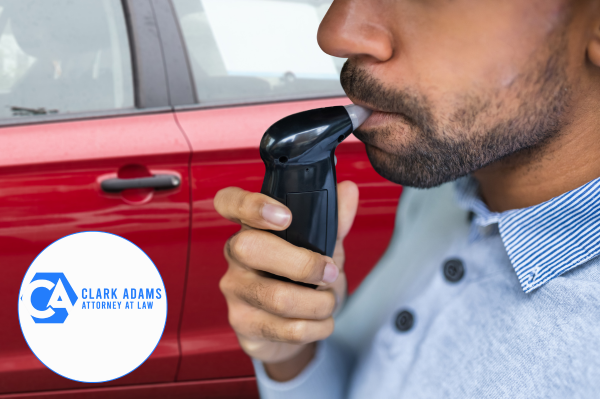
Breath test results can become a central part of a DUI case. Still, the number produced by a machine should not be viewed without context. Several technical and procedural factors can contribute to inaccurate breathalyzer results in Columbus, GA. A careful defense review may examine the equipment, the operator, the testing environment, and the steps followed before the result was recorded.
Clark Adams Attorney at Law carefully reviews breath test evidence and testing procedures in Columbus DUI cases. Learn more about Clark Adams and the firm’s methodical approach to DUI defense. Contact the firm to discuss your case.
How Does a Breathalyzer Measure Alcohol?
A breath testing device does not directly measure the amount of alcohol in a person’s blood. Instead, it analyzes alcohol in a breath sample. The machine then uses a mathematical formula to estimate blood alcohol concentration.
This calculation relies on assumptions about how alcohol moves between the blood and the lungs. Human biology does not always match those assumptions. Differences in body temperature, breathing patterns, and individual physiology may affect the reported result.
The term “breathalyzer” is often used broadly. However, there is an important difference between a handheld device used during a traffic stop and an evidentiary breath testing instrument used after an arrest.
A roadside device may help an officer decide whether there is probable cause for an arrest. A state-administered breath test is intended to produce evidence that may be used in a DUI prosecution. Each device has different procedures and limitations.
Breath Testing Machines Require Proper Maintenance
Breath testing instruments are scientific devices. Like other testing equipment, they must be maintained and checked to ensure that they are working properly.
A meaningful review may include:
- Inspection and maintenance records
- Diagnostic testing results
- Calibration or accuracy checks
- Repair history
- Software or equipment issues
- Records showing when the machine was placed into service
- Documentation from tests performed before and after the driver’s test
A machine may appear to operate normally while still producing a questionable result. Reviewing the instrument’s history can help determine whether a problem existed at the time of testing.
Operator Error Can Affect the Result
The accuracy of a breath test also depends on the person administering it. The operator must follow the required testing protocol and use the instrument correctly.
Potential concerns may include:
- Failing to complete the required observation period
- Entering incorrect identifying information
- Giving unclear testing instructions
- Failing to obtain an acceptable breath sample
- Interrupting or rushing the testing process
- Misinterpreting an error message
- Failing to document unusual events during the test
Discrepancies between the testing record and the officer’s written account may require closer review. Operator certification and training records may also be relevant. The test should be evaluated as a complete procedure rather than accepted based only on the final number.
Mouth Alcohol May Produce an Elevated Reading
Breath testing devices are intended to measure deep-lung air. Alcohol that remains in the mouth can create a higher concentration in the breath sample.
Possible sources of mouth alcohol include:
- Recent alcohol consumption
- Burping or belching
- Acid reflux
- Regurgitation
- Mouthwash or breath spray containing alcohol
- Certain medications
- Dental appliances that may retain liquid
This is one reason an observation period is important. The operator should monitor the person before administering the test. If an event occurs that could introduce alcohol into the mouth, the reliability of the result may need closer review.
Breathing Patterns Can Change a Breath Test Reading
The way a person breathes before providing a sample can affect the concentration of alcohol detected in the breath.
Holding the breath may increase the reported concentration. Rapid or shallow breathing may produce a different result. The force and length of the breath sample may also matter.
A person who is nervous, winded, ill, or experiencing difficulty breathing may not provide a typical sample. These circumstances do not automatically make a test invalid. They should still be considered when evaluating whether the result accurately reflected the person’s condition.
Body Temperature and Environmental Conditions May Matter
Breath alcohol testing assumes a standard relationship between body temperature and the concentration of alcohol in the breath. An elevated body temperature may affect that relationship.
A fever or another medical condition could influence the amount of alcohol carried in a breath sample. Environmental factors may also raise questions in some cases. These can include radio frequency interference, electrical issues, improper storage conditions, or exposure to certain chemicals.
Modern instruments are designed to detect or reduce some forms of interference. Those safeguards do not eliminate the need to examine how the machine performed in a specific case.
Medical Conditions Can Affect Breath Testing
Certain medical conditions may influence a breath test or complicate the interpretation of a reported result.
Relevant conditions can include:
- Gastroesophageal reflux disease (GERD)
- Diabetes
- Ketosis
- Respiratory conditions
- Fever
- Conditions that affect breathing capacity
Some substances produced by the body may resemble alcohol compounds to certain testing technologies. Medical records and the design of the testing instrument may need to be reviewed before determining whether a condition could have affected the result.
The Timing of the Test Is Important
A breath test taken after an arrest measures the alcohol concentration at the time of testing. It does not directly measure the person’s alcohol concentration while driving.
Alcohol levels may rise or fall during the time between the traffic stop and the test. The result can be affected by when the person last ate, when alcohol was consumed, and how quickly the body absorbed it.
A later result does not always establish the exact alcohol concentration at the time the vehicle was operated. The timeline should be compared with officer reports, video evidence, witness statements, and other available information.
Two Breath Samples Do Not Automatically Prove Accuracy
Evidentiary testing procedures may involve more than one breath sample. Similar readings can support the consistency of the testing process. However, consistency is not the same as accuracy.
Two samples could be close to one another even if the machine had an unresolved issue or the same outside factor affected both samples. The full testing record must still be examined.
A defense attorney may review the difference between the samples, error messages, sample volume, testing sequence, and instrument data. These details can provide more information than the final reported number alone.
The Implied Consent Process Should Also Be Reviewed
Georgia’s implied consent process involves specific requirements. The language read by the officer, the timing of the notice, and the type of test requested may all be relevant.
A case review may consider:
- Whether the correct implied consent notice was read
- When the notice was delivered
- Whether the officer accurately communicated the testing request
- Whether the driver’s response was clearly documented
- Whether the requested test matched the test that was administered
- Whether the driver requested an independent test
Georgia law also treats breath and blood testing issues differently in several important respects. The test type and the circumstances surrounding the request should be evaluated carefully.
Can Breath Test Results Be Challenged in a Georgia DUI Case?
A breath test result is evidence. It is not an automatic conclusion that the driver was impaired or that every testing requirement was satisfied.
Possible areas of review may include:
- The legal basis for the traffic stop
- The officer’s observations
- Field sobriety testing
- Body camera or patrol vehicle footage
- Implied consent procedures
- Operator training and certification
- Instrument maintenance records
- Diagnostic and accuracy checks
- The observation period
- Medical or physiological factors
- The timing of the breath test
- The driver’s right to an independent test
The significance of any issue depends on the facts. A minor documentation error may have little effect. A substantial procedural or equipment problem may require a different analysis.
Have Your Columbus Breath Test Evidence Carefully Reviewed
A DUI case involving a breath test should be evaluated through a structured review of the evidence. Clark Adams examines the basis for the stop, the implied consent process, the testing procedure, instrument records, officer documentation, and other details that may affect the reliability of the reported result.
If you have been charged with DUI in Columbus or Muscogee County, contact Clark Adams Attorney at Law to discuss the circumstances of your case. A detailed review can help identify the legal and technical issues involved and provide a clearer understanding of the available defense options.

