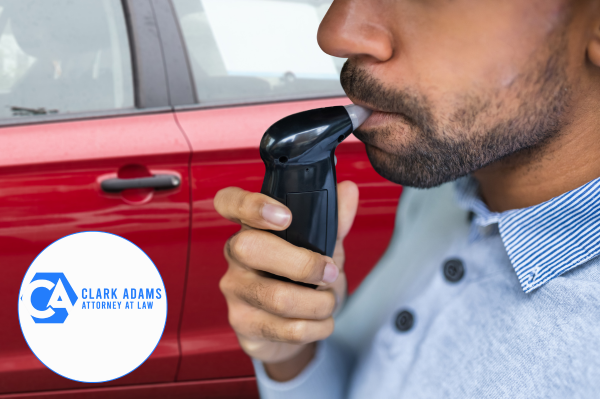
Technology, forensic evidence, digital records, and evolving legal standards increasingly shape DUI cases. As a result, DUI defense in Columbus, Georgia, has become more evidence-driven than ever. A DUI charge may involve much more than an officer’s observations or a breath test result. Body camera footage, chemical testing procedures, laboratory records, field sobriety testing, and the circumstances surrounding an arrest can all become important parts of evaluating the State’s case.
For drivers facing DUI charges in Columbus and Muscogee County, these developments make a careful review of the evidence particularly important. Modern DUI defense requires understanding not only what evidence exists, but also how it was obtained, whether proper procedures were followed, and whether the evidence supports the conclusions being drawn from it.
DUI Cases Are Becoming More Data-Driven
Years ago, many DUI cases depended heavily on an officer’s written report and testimony about what occurred during the traffic stop. Those sources remain important, but today’s investigations often produce significantly more information.
Depending on the circumstances, evidence may include:
- Body camera footage
- Dash camera recordings
- Dispatch and 911 records
- Breath testing records
- Blood or urine test results
- Laboratory documentation
- Field sobriety test footage
- Officer training and certification records
- Medical records
- Witness statements
- Vehicle or location data
The existence of additional evidence can provide a more complete picture of what actually happened. It can also allow a DUI defense attorney to compare an officer’s written description of events with recorded evidence.
For example, an officer may describe a driver as having difficulty maintaining balance. Body camera footage may provide additional context about the road surface, weather conditions, footwear, lighting, traffic, or the manner in which the test was explained and performed.
The goal is not simply to locate inconsistencies. It is to determine whether the evidence as a whole supports the allegations.
Body Camera and Dash Camera Footage Can Provide Important Context
Video has become one of the most significant developments in modern DUI investigations.
Body and dash camera recordings may document the initial reason for the traffic stop, conversations between the officer and driver, physical observations, field sobriety testing, arrest procedures, and chemical testing requests.
This footage can help answer important questions.
Did the officer have a lawful reason for initiating the stop? Were the driver’s movements consistent with the officer’s written observations? Were field sobriety tests demonstrated and administered appropriately? Were environmental conditions relevant to the driver’s performance?
Video does not automatically prove or disprove impairment. However, it provides evidence that can be independently reviewed instead of relying entirely on recollections or written descriptions.
That makes obtaining and carefully analyzing available footage an increasingly important part of DUI defense.
Field Sobriety Tests Require More Than a Pass-or-Fail Analysis
Standardized field sobriety testing remains a significant part of DUI enforcement. Georgia continues to train law enforcement officers in Standardized Field Sobriety Testing, Advanced Roadside Impaired Driving Enforcement, and drug evaluation programs.
Field sobriety tests, however, are not simple pass-or-fail exercises.
An attorney reviewing these tests may consider how the officer administered the test, the instructions given, environmental conditions, physical limitations, footwear, medical issues, fatigue, nervousness, and whether the officer’s interpretation is consistent with the video.
The three standardized field sobriety tests commonly associated with alcohol investigations are the Horizontal Gaze Nystagmus test, Walk-and-Turn test, and One-Leg Stand test.
The way these tests are administered matters. Modern DUI defense increasingly involves reviewing the details of the testing process rather than accepting an officer’s conclusion without further examination.
Breath Test Evidence Can Be Examined More Closely
A breath test reading is evidence, but the number alone does not answer every question about a DUI case.
Breath testing involves equipment, procedures, maintenance requirements, operator training, and circumstances that can affect how evidence should be evaluated.
Depending on the case, a DUI attorney may examine issues such as:
- Whether the machine was properly maintained
- Available inspection and testing records
- Whether required procedures were followed
- Operator qualifications
- Timing of the test
- Whether substances or medical conditions could have affected the testing process
- Whether the State can establish the reliability and admissibility of the evidence
Georgia law regarding chemical testing and refusal evidence has also developed through court decisions. The Georgia Supreme Court has addressed constitutional protections involving compelled acts in DUI investigations, including chemical testing.
These legal developments are one reason DUI cases should be evaluated according to the specific type of test requested and the circumstances surrounding it.
Blood Testing Is Playing a Larger Role in DUI Investigations
Blood evidence is particularly important in cases involving suspected drug impairment or situations where law enforcement seeks evidence beyond a breath test.
Georgia has also expanded law enforcement training related to blood collection. The state’s impaired-driving program has included training law enforcement officers as phlebotomists to facilitate blood draws in DUI investigations.
Blood testing can appear highly scientific, but laboratory evidence still requires careful review.
Questions may involve:
- How the blood sample was collected
- Whether approved collection materials were used
- How the sample was labeled and stored
- Chain of custody
- Laboratory testing procedures
- Quality-control documentation
- The substances detected
- Concentration levels
- Whether the results establish impairment
Finding a substance in a person’s blood does not always answer the separate question of whether that substance impaired the person’s ability to drive.
That distinction can become especially important in drug-related DUI cases.
Drug DUI Cases Are Becoming More Complex
Alcohol-related DUI cases often involve established blood alcohol concentration measurements. Drug DUI cases can be considerably more complicated.
Law enforcement officers may receive specialized training through programs such as Advanced Roadside Impaired Driving Enforcement and the Drug Evaluation and Classification Program. Georgia continues to fund and provide this type of impaired-driving training.
These investigations may involve prescription medications, illegal drugs, cannabis, or combinations of substances.
Unlike alcohol, the presence of certain substances does not necessarily provide a straightforward measurement of impairment at the time a person was driving.
A careful defense review may therefore examine the driver’s behavior, dosage information, timing, toxicology results, officer observations, medical history when relevant, and whether the evidence establishes impairment rather than simply the presence of a substance.
Implied Consent Issues Remain an Important Part of Georgia DUI Defense
Georgia’s implied consent laws have undergone significant legal scrutiny, particularly regarding chemical testing and a person’s constitutional protections.
Current Georgia law distinguishes between different forms of chemical testing, and the legal effect of refusing a particular test can depend on what type of test was requested and the circumstances surrounding the request.
Georgia appellate decisions have specifically addressed the constitutional implications of compelled breath and urine testing.
For that reason, an attorney may review:
- Which test law enforcement requested
- When the request was made
- How the implied consent notice was delivered
- Whether the driver agreed or refused
- Whether a warrant was obtained
- Whether the resulting evidence may be admitted
- Whether separate driver’s license consequences apply
These issues demonstrate why chemical testing questions should be evaluated carefully rather than treated as interchangeable.
Modern DUI Defense Looks at the Entire Investigation
One of the most important changes in DUI defense is the amount of information now available for review.
A thorough analysis may begin before the field sobriety tests or chemical testing ever occurred.
Questions can include:
Was there a lawful basis for the traffic stop?
An officer generally needs a legally sufficient reason to stop a vehicle. Video, dispatch records, and the officer’s report may help establish what occurred before the stop.
What did the officer actually observe?
Statements about driving behavior, speech, balance, odor, or appearance should be considered in context.
How were field sobriety tests conducted?
Instructions, environmental conditions, physical limitations, and the officer’s administration of the tests can be relevant.
How was chemical evidence obtained?
Breath and blood evidence may require examination of testing procedures, equipment, personnel, collection methods, and records.
Does the evidence establish impairment?
Especially in drug DUI cases, detecting a substance and establishing that a driver was impaired are not necessarily the same issue.
Rather than focusing on a single test result or observation, modern DUI defense increasingly involves reconstructing the investigation from beginning to end.
What These Changes Mean for Drivers in Columbus
For someone charged with DUI in Columbus, technological and forensic developments can create both additional evidence and additional questions.
More sophisticated enforcement methods do not eliminate the need for the State to establish the required elements of its case. Technology must still be used appropriately. Chemical evidence must still be collected and analyzed according to applicable standards. Officer observations can still be compared against video and other objective evidence.
Effective DUI defense therefore requires more than identifying what evidence the prosecution intends to use. It requires understanding how each piece of evidence fits together and determining whether the procedures behind it withstand careful examination.
Speak With a Columbus DUI Defense Attorney
DUI defense continues to evolve alongside new technology, testing methods, law enforcement practices, and Georgia court decisions. Clark Adams Attorney at Law takes a methodical, evidence-based approach to DUI cases in Columbus and Muscogee County. This includes reviewing the traffic stop, video evidence, field sobriety testing, chemical test procedures, laboratory records, and other evidence relevant to the allegations. If you have been charged with DUI in Columbus, contact Clark Adams Attorney at Law to discuss your case and any evidence that may require closer review.